The roar of an engine, the blur of vibrant colors streaking across a track, and the sheer thrill of speed—race cars have held a special place in the hearts of children for generations. From the simplest wooden toy car to the high-tech simulations of the modern era, the world of auto racing offers a unique blend of excitement, education, and inspiration. While adults often view racing through the lens of engineering or professional sports, for a child, a race car is a vessel for pure imagination.
Understanding why race cars are so inherently fun for children requires looking beyond the four wheels and the steering wheel. It is about the sensory experience, the developmental benefits, and the emotional connection that kids build with these “speed machines.”
The Sensory Appeal of Speed and Color
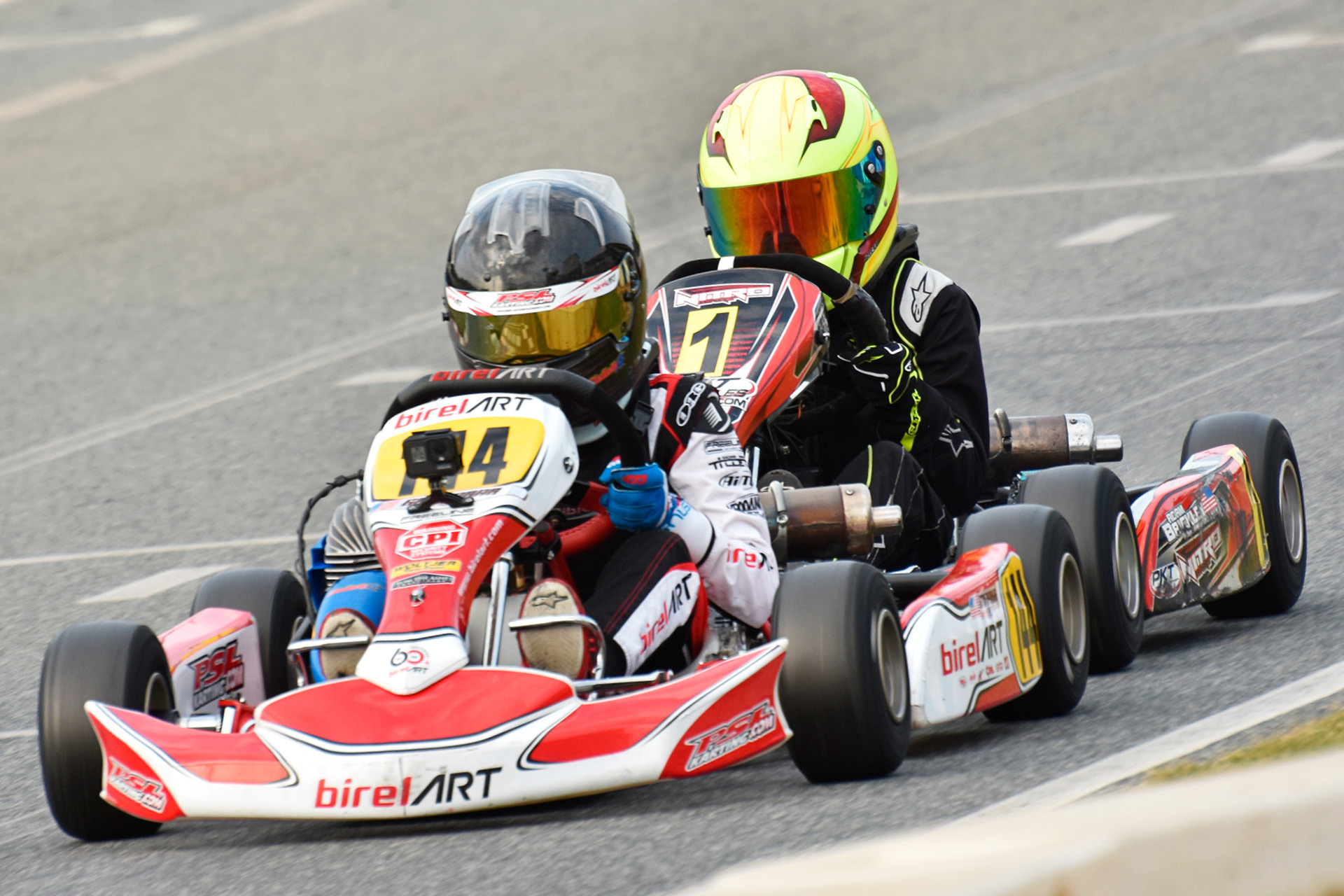
One of the primary reasons children are drawn to race cars is the overwhelming sensory stimulation they provide. Unlike standard passenger vehicles, race cars are designed to stand out. They are painted in neon yellows, fiery reds, and electric blues, often adorned with bold numbers and sponsor decals that make them look like real-life superheroes of the asphalt.
To a child, these bright colors are visually captivating. Furthermore, the auditory experience of racing—the high-pitched whine of a Formula 1 engine or the deep, guttural rumble of a stock car—triggers an immediate sense of excitement. Even in toy form, the “vroom-vroom” sound a child makes while pushing a car across the carpet is an essential part of the play. This sensory-rich environment makes racing more engaging than almost any other hobby or interest.
Fueling the Imagination Through Roleplay
Race cars provide a perfect foundation for imaginative play. When a child picks up a small die-cast car, they aren’t just holding a piece of metal or plastic; they are becoming a driver, a mechanic, or a team owner. They create elaborate scenarios where they are competing in the final lap of a world championship, navigating dangerous mountain passes, or escaping a high-speed chase.
This type of roleplay is crucial for cognitive development. It allows children to experiment with different social roles and understand the concepts of competition, sportsmanship, and victory. Whether they are racing against a sibling or setting up a solo track in the living room, the “fun” comes from the stories they build around the cars. The car is the hero of their story, and the child is the director.
Educational Benefits: Hidden STEM Lessons
While children think they are just having fun, playing with and learning about race cars introduces them to fundamental concepts of Science, Technology, Engineering, and Math (STEM). Racing is, at its heart, a lesson in physics.
Children naturally begin to ask questions: Why does the car go faster on a smooth floor than on a rug? Why do some cars fly off the track when they take a turn too quickly? These questions introduce the basics of friction, gravity, and aerodynamics.
Furthermore, many kids become fascinated by the “anatomy” of the car. They learn about engines, tires, and aerodynamics, which can spark a lifelong interest in engineering and mechanics. Building LEGO race cars or assembling model kits helps develop fine motor skills and spatial awareness, proving that the fun of race cars can be intellectually stimulating as well.
The Bond of Shared Hobbies
Race cars are often a “generational” hobby. Many children find their love for racing through their parents or grandparents. Watching a race together on a Sunday afternoon or attending a local go-kart track creates lasting memories and strengthens family bonds.
The community aspect of racing is also a major draw. From trading cards to participating in local pinewood derbies, children find a sense of belonging among peers who share their passion. This social interaction teaches them how to communicate, share, and appreciate the skills of others. The “fun” is amplified when it is shared, turning a solo interest into a social event.
The Thrill of Control: From RC Cars to Go-Karts
As children grow, their interaction with race cars evolves from passive toy-pushing to active control. Remote-controlled (RC) cars are a significant milestone in a child’s life. Being able to manipulate a vehicle from a distance, navigating obstacles, and performing stunts provides a profound sense of agency and mastery.
For older children, go-karting offers the ultimate thrill. Stepping into a real vehicle and feeling the wind against their face as they navigate a track provides an adrenaline rush that few other activities can match. This transition from “pretend” to “real” racing helps build confidence and teaches the importance of safety and responsibility behind the wheel.
Inspiring Future Dreams
Finally, race cars represent the pinnacle of human achievement and ambition. Seeing professional drivers achieve the impossible inspires children to dream big. Racing teaches that success requires a team, a well-maintained machine, and a focused mind. The “fun” of race cars often translates into an aspirational goal, encouraging kids to work hard and stay disciplined, whether they want to be a driver or an aerospace engineer.
Conclusion
Race cars are fun for kids because they represent a world without limits. They combine the bright, bold aesthetics that children love with the complex, high-speed action that keeps them on the edge of their seats. Beyond the entertainment value, race cars serve as a gateway to learning, a tool for social bonding, and a spark for the imagination.
Whether it is a toddler pushing a wooden car along a wooden track or a teenager hitting their first apex in a go-kart, the magic of the race car remains the same. It is an enduring symbol of speed, power, and the joy of the journey. As long as there are tracks to be conquered and stories to be told, race cars will continue to be one of the most beloved and fun pastimes for children around the world.
