Basketball is a sport that demands a unique blend of physical prowess, mental fortitude, and technical precision. Whether you are a weekend warrior playing at the local park or an aspiring athlete looking to make your school’s varsity team, the journey to becoming a better player is a marathon, not a sprint. The beauty of the game lies in its complexity; there is always a skill to refine, a defensive rotation to master, or a physical attribute to strengthen.
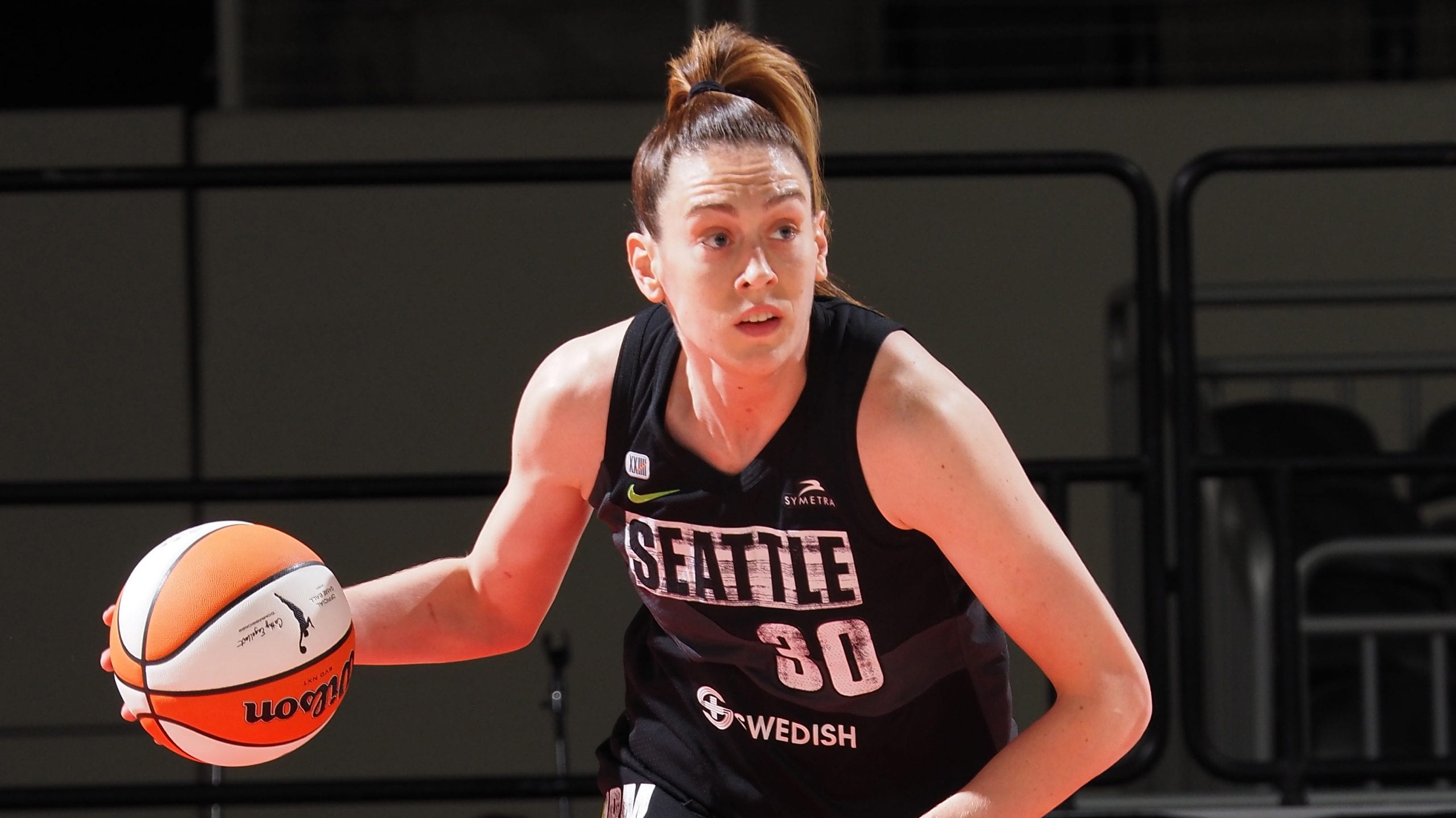
To truly elevate your game, you must move beyond simply playing matches. You need a structured approach that encompasses skill development, physical conditioning, and a high basketball IQ. This guide outlines the essential pillars required to transform your performance on the hardwood.
Master the Fundamentals: Dribbling and Footwork
The foundation of every great basketball player starts at the floor—literally. Before you can worry about flashy dunks or deep three-pointers, you must master your footwork and ball handling.
Ball Handling Under Pressure
Being a “good” dribbler in a stationary position is vastly different from being a reliable ball handler during a full-court press. Practice dribbling with your head up; if you are looking at the ball, you cannot see the open teammate or the incoming defender. Incorporate “two-ball” drills to improve hand independence and always practice with both hands equally. A player who can only drive to the right is a player who is easy to guard.
The Importance of Footwork
Footwork is the most underrated skill in basketball. It is the secret behind a quick first step, an unguardable post move, and a balanced jump shot. Work on your “triple threat” position, your pivot moves, and your defensive sliding. Efficient footwork allows you to create space even if you aren’t the fastest person on the court. Remember, the best scorers don’t just outrun people; they out-position them.
The Science of the Shot: Consistency is Key
Shooting is the most sought-after skill in modern basketball. However, a great shooter isn’t born; they are built through thousands of repetitions.
Form and Mechanics
Find a shooting form that is comfortable but mechanically sound. Focus on your “BEEF” principles: Balance, Eyes on target, Elbow in, and Follow-through. The follow-through is particularly vital as it dictates the arc and rotation of the ball.
Game-Speed Practice
The biggest mistake players make is practicing shots at a “leisurely” pace. In a game, you will be tired, guarded, and moving quickly. Your practice should reflect this. Use “catch-and-shoot” drills, pull-up jumpers after a sprint, and free throws when you are winded. If you can make a shot when your legs are heavy and your lungs are burning, you can make it anytime.
Defensive Tenacity: Making Your Presence Felt
Offense wins fans, but defense wins championships. Becoming a better basketball player means taking pride in your ability to stop your opponent from scoring.
Active Hands and Constant Communication
Great defenders are loud. They communicate screens, point out cutters, and encourage their teammates. Physically, you should maintain a low center of gravity with your weight on the balls of your feet. Keep your hands active—not necessarily to reach for steals, which often leads to fouls, but to disrupt passing lanes and obstruct the shooter’s vision.
Mastering Positioning
Defense is about anticipation. Study your opponent’s tendencies. Do they always drive left? Do they prefer the step-back jumper? By understanding their “go-to” moves, you can beat them to the spot. Defensive rebounding is also a critical part of defense; a possession isn’t over until you secure the ball.
Increasing Basketball IQ: The Mental Game
Basketball IQ is the ability to read the game and make the right decision in real-time. This is often what separates “good” players from “great” ones.
Watch the Game with Intent
Don’t just watch basketball for entertainment. Watch it to learn. Pick a player who plays your position and watch their movement away from the ball. Notice how they set screens, how they cut to the basket, and how they position themselves on defense.
Understanding Spacing and Timing
Many players struggle because they “crowd” the ball. Learn the importance of floor spacing. By staying in the right spot, you provide your teammates with lanes to drive and passing windows. Understand the flow of the game—knowing when to push the pace for a fast break and when to slow down and run a structured play is vital for a leader on the court.
Physical Conditioning and Recovery
Your skill level doesn’t matter if you are too tired to execute in the fourth quarter. Basketball conditioning should be “interval-based.” Since the game consists of short bursts of high-intensity sprinting followed by brief periods of walking or jogging, your training should mimic this.
Strength and Core Stability
A strong core is essential for maintaining balance during contact and for jumping power. Incorporate functional strength training that focuses on lateral explosive movements and landing mechanics to prevent injuries, particularly in the knees and ankles.
Nutrition and Rest
Your body is your engine. Fuel it with complex carbohydrates, lean proteins, and plenty of hydration. Furthermore, do not underestimate the power of sleep. Muscle memory and physical recovery happen while you rest. Overtraining is a real risk that can lead to burnout and injury; listen to your body.
Conclusion
Becoming a better basketball player is a journey that requires discipline, humility, and a relentless work ethic. There are no shortcuts to greatness. It requires showing up to the gym when no one is watching, practicing the “boring” fundamentals until they become second nature, and having the mental toughness to bounce back after a poor performance.
Focus on being a “complete” player. Don’t just be a scorer; be a defender, a rebounder, and a great teammate. If you commit to the process of daily improvement—focusing on your footwork, your shooting mechanics, your defensive positioning, and your mental understanding of the game—the results will eventually show on the scoreboard. Basketball is a game that gives back exactly what you put into it. Put in the work, stay patient, and keep reaching for the rim.
